Training BJJ when sore: when to train, go light or rest
Should you train BJJ when you're sore? How to tell normal soreness from pain worth checking, when to train, go light or rest, and how to lift around it.
MatStrong · October 30, 2026 · 5 min read
The short version
- Dull, achy soreness that eases as you warm up is normal. Sharp pain, joint pain, swelling or numbness is not, and it's a reason to stop and get it checked.
- You have three options, not two: train normally, go light, or rest. A 10-minute warm-up usually tells you which.
- Sore from rolling on a lifting day? Train what isn't sore, lower the load and keep more reps in the tank.
- Being constantly sore is a sign to build up more gradually, sleep more and space your hardest days apart.
Soreness comes with jiu-jitsu. A new guard pass, a hard comp class or a long open mat, and the next morning getting out of bed takes some negotiating.
The question isn't whether you'll be sore. It's what kind of sore, and what to do about it today.
Normal soreness or something else?
Most soreness after BJJ is ordinary muscle soreness from work your body isn't used to yet. It usually:
- feels dull and achy rather than sharp
- shows up the day after, not during the round
- is spread over a muscle or both sides of the body, not one exact spot
- is worst when you start moving and eases as you warm up
- fades over a few days
Some pain is a different thing. Stop training that area and get it checked by a professional if you have:
- sharp or stabbing pain, or pain in a joint rather than a muscle
- swelling, bruising you can't explain, or a joint that feels unstable
- pain in one specific spot that gets worse as you warm up
- numbness, tingling or weakness
- pain that hasn't eased after a week or so
Should you train BJJ when sore?
With normal muscle soreness, usually yes. But you have three options, not two.
Train normally when the soreness is mild and fades once you're warm. Moving often makes it feel better.
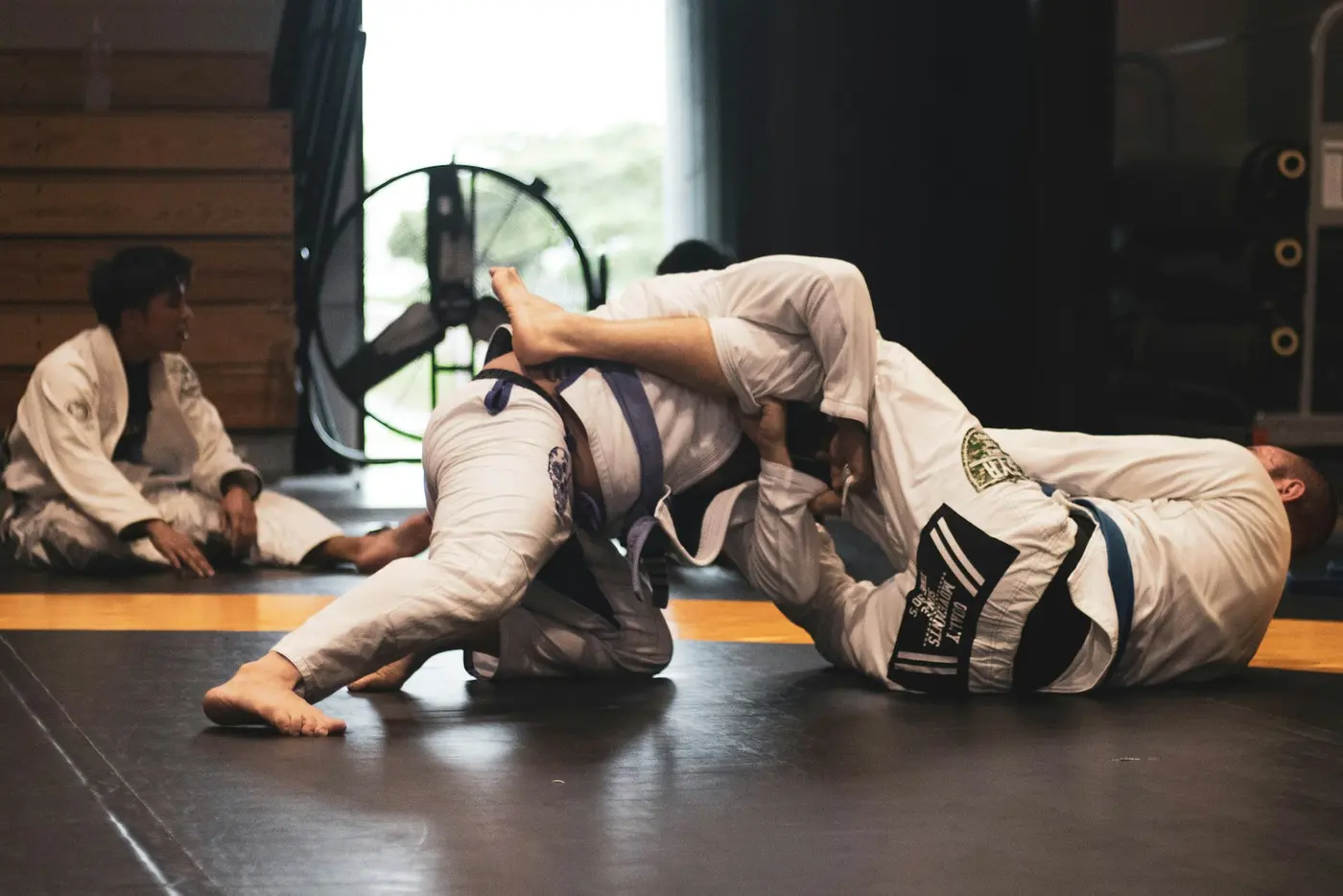
Go light when you're quite sore but nothing is sharp: drill, do positional work, flow roll with partners you trust, and skip the hard rounds. You still get mat time and technique without digging a deeper hole.
Rest when you're sore all over, you've slept badly for a few nights or you're still stiff after warming up. One day off rarely costs you anything. A month of half-recovered training does.
A simple test: warm up properly for 10 minutes. If you feel better, train. If you feel the same, go light. If you feel worse, stop for the day.
Lifting when you're sore from rolling
Strength work doesn't have to wait until you feel fresh, but it should change with how you feel.
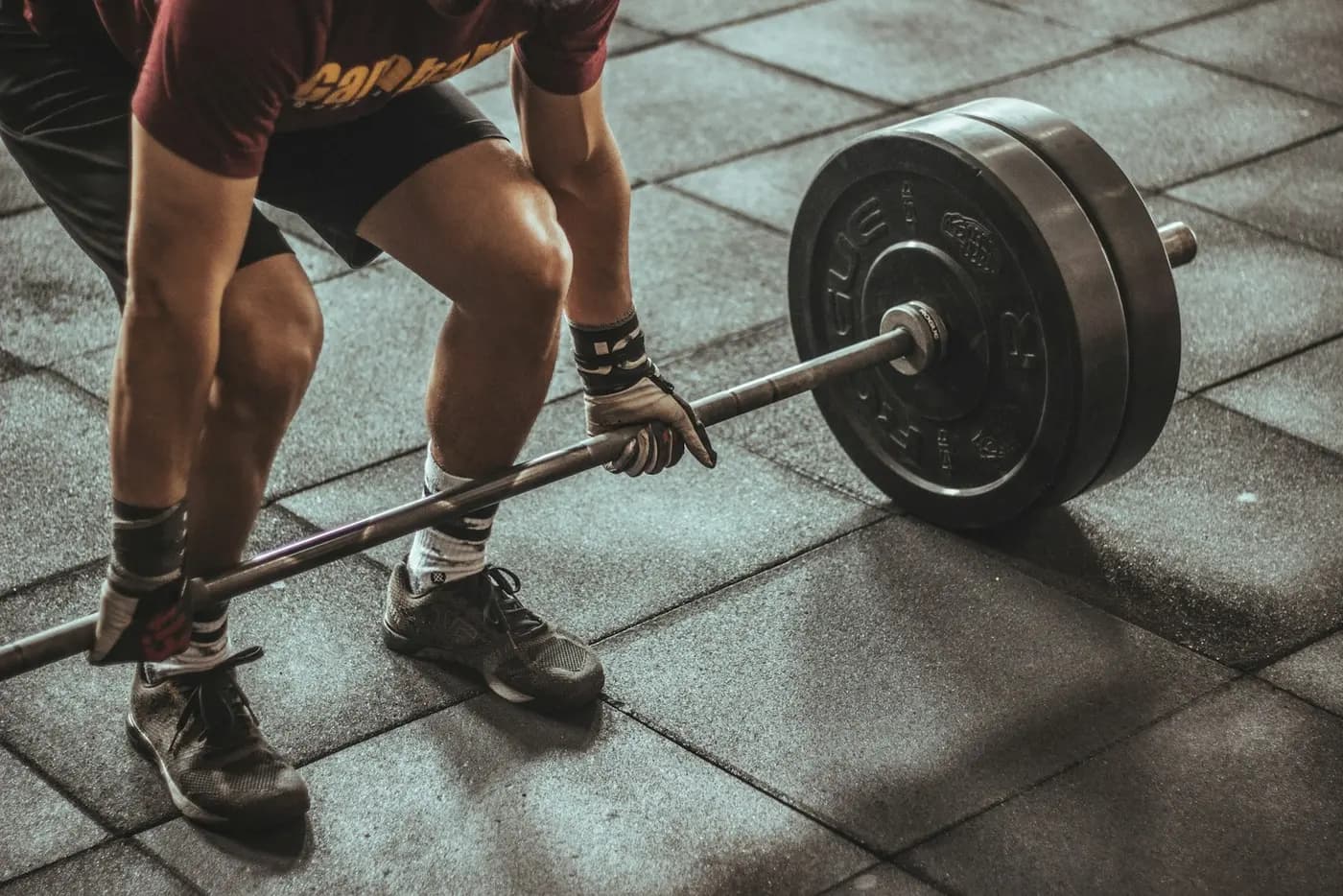
- Train what isn't sore. Legs wrecked from a passing class? Do your pulling, pressing and grip work, and move the squats and lunges to later in the week.
- Lower the load. Use lighter weights and stop each set with three or four good reps left instead of one or two.
- Cut the session down. Do the first two or three exercises and leave the rest.
- Skip the jumps and throws if you're stiff. Power work is for days you can move fast.
- Don't stack your hardest days. Your heaviest lifting the day before your hardest sparring leaves you sore for both. There's more on spacing them in how to schedule strength training around BJJ.
Why you're so sore, and how to be less sore
Your body adapts to work it does regularly, so the same class makes you less sore over time. If you're always sore, it's usually one of these:
- You're new, or back after a break. The first few weeks are the worst. Start with two classes a week and add a third once you stop feeling wrecked.
- The intensity jumped. Comp classes, a new instructor who runs hard rounds, or your first week of open mats.
- You're doing more than usual. An extra class, a seminar, or lifting and rolling hard on the same day.
- You're holding tension. Squeezing every grip and bracing in every position tires and bangs up your muscles far more than relaxed, technical rolling.
- You're under-recovered. Short sleep, not eating enough, and a stressful week all show up as soreness.
Getting stronger helps too. When a bridge or a grip fight costs a smaller share of what you can do, the same round takes less out of you. Our free BJJ strength program is a good place to start.
What helps you recover
- Sleep comes first. Nothing else on this list comes close.
- Eat enough, with protein at most meals, especially on the days you train twice.
- Move easily on rest days. A walk, an easy bike ride or a light swim usually leaves you feeling better than lying on the couch. Easy aerobic work also builds the base that helps you stop gassing out.
- Foam rolling, massage guns and stretching can make you feel less stiff. Use them if you like them, but don't rely on them in place of sleep and sensible scheduling.
If soreness keeps you off the mats week after week, look at the whole week rather than the next session: how many hard days you have in a row, where your lifting sits, and whether you've built up gradually. That's usually where the fix is.
Common questions
Should you train BJJ when sore?
With ordinary muscle soreness that eases as you warm up, usually yes. If you're quite sore, go light: drill, do positional work and skip the hard rounds. If the pain is sharp, in a joint, swollen or getting worse as you warm up, stop training that area and get it checked by a professional.
Is it normal to be sore after your first BJJ class?
Yes. Jiu-jitsu uses your grip, neck, hips and trunk in ways little else does, so the first few weeks are usually the sorest. It eases as your body adapts. Starting with two classes a week and adding a third once you stop feeling wrecked helps.
How long does soreness after BJJ last?
Ordinary muscle soreness is usually worst a day or two after training and fades within a few days. Pain that hasn't eased after a week or so, or pain in a joint, is worth getting checked.
Should I lift the day after BJJ if I'm sore?
Usually yes, adjusted to how you feel: train the parts that aren't sore, use lighter weights, keep more reps in reserve and cut the session down. Try not to put your heaviest lifting the day before your hardest sparring.
General training information, not medical advice. If something hurts, or you have a condition that affects how you train, see a qualified professional before you change your training.
Your plan in 5 minutes
Take the quiz