How to not gas out in BJJ: cardio and conditioning that work
Gassing out is rarely about one thing. How pacing, grip, strength and your aerobic base each play a part, and how to train them without stealing from your mat time.
MatStrong · October 20, 2026 · 4 min read
The short version
- Gassing out usually has several causes at once: pacing and tension, grip, strength and your aerobic base.
- Fix the free things first: breathe, relax and stop muscling positions you could frame.
- Strength helps your cardio. When every grip and bridge costs a smaller share of your max, you last longer.
- Add one or two easy aerobic sessions a week before you add more hard intervals. Sparring already gives you plenty of those.
It's the most common complaint in jiu-jitsu. You start a round feeling fine, and three minutes in your forearms are on fire, you're breathing through your mouth and every scramble feels like it's happening to someone else.
The usual answer is "do more cardio." Sometimes that's right. Often it isn't the first thing to fix.
Why grapplers gas out
Fatigue on the mats tends to come from a mix of five things.
1. Pacing and tension
New and intermediate grapplers burn huge amounts of energy holding tension they don't need: squeezing every grip, bracing in bottom positions, holding their breath during a scramble. This is the most common cause, and it's a technique problem, not a fitness one.
2. Grip
Your forearms are small muscles doing a lot of work, especially in the gi. When grip goes, you lose control, hold on harder, and tire even faster.
3. Strength reserve
If bridging a heavier partner takes 80% of everything you have, you can't do it many times. If it takes 50%, you can do it all round. Getting stronger makes every effort cost less, which is why strength work shows up as better cardio.
4. Aerobic base
Your aerobic system is what recovers you between bursts: after a scramble, between exchanges, between rounds. A weak base means each burst digs a deeper hole.
5. Recovery and life
Poor sleep, a hard week at work or the remains of yesterday's leg day all lower your ceiling before you step on the mat.
Fix the free things first
Before adding any training, work on these in your next few classes:
- Breathe out on effort, and keep breathing in bad positions. Holding your breath is the fastest way to empty the tank.
- Grip only when you need to. Let go of grips that aren't doing anything.
- Frame instead of push. Bone structure is free; muscle isn't.
- Pick your moments. Explode when there's a real opening, not constantly.
Ask your coach or a training partner to watch a round and tell you where you're tense. It's usually obvious from the outside.
Train the engine
Easy aerobic work
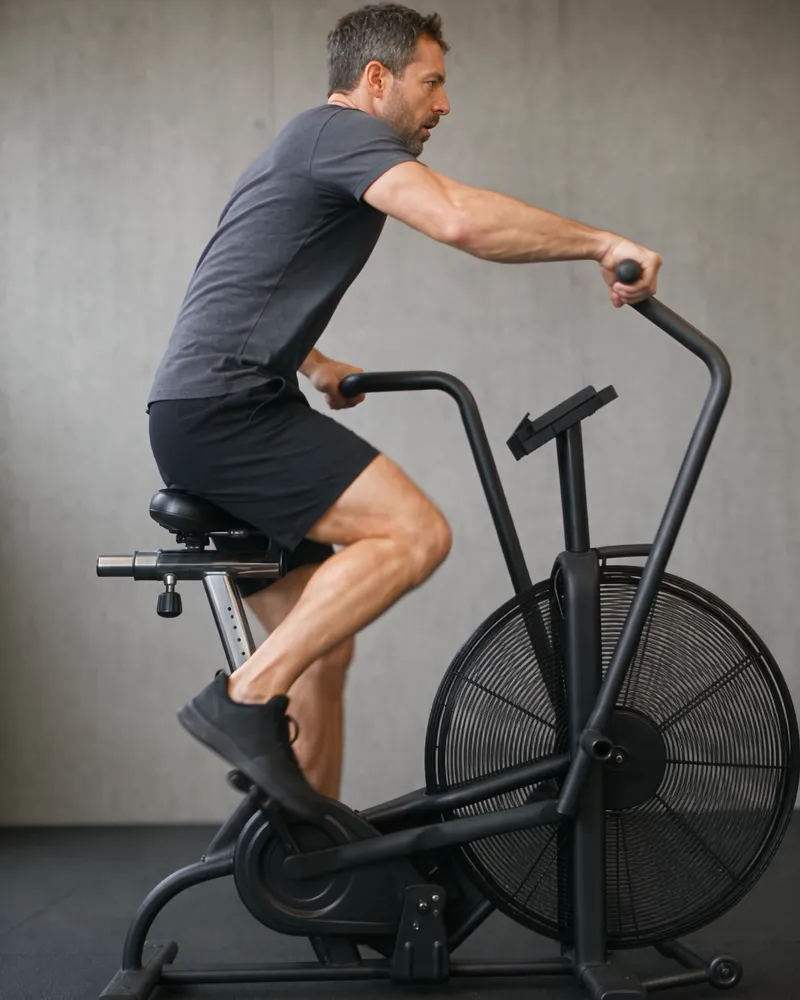
One or two sessions a week of 20 to 40 minutes at a pace where you could hold a conversation: bike, rower, brisk incline walk or an easy jog. It feels too easy to matter, and that's why it works. It builds the recovery system without taking anything away from your jiu-jitsu.
Hard intervals, in moderation
Sparring is already interval training. If you roll hard two or three times a week, you probably don't need much more. If you roll less, or have a competition coming up, one interval session a week is enough. For example:
| Format | Work | Rest | Rounds |
|---|---|---|---|
| Bike or rower sprints | 20–30 sec hard | 60–90 sec easy | 6–10 |
| Round simulation | 5 min mixed effort (bike, carries, sled or bag work) | 1 min | 3–5 |
Don't put a hard interval session the day before a hard sparring night.
Off-the-mat conditioning options
 Battle ropes
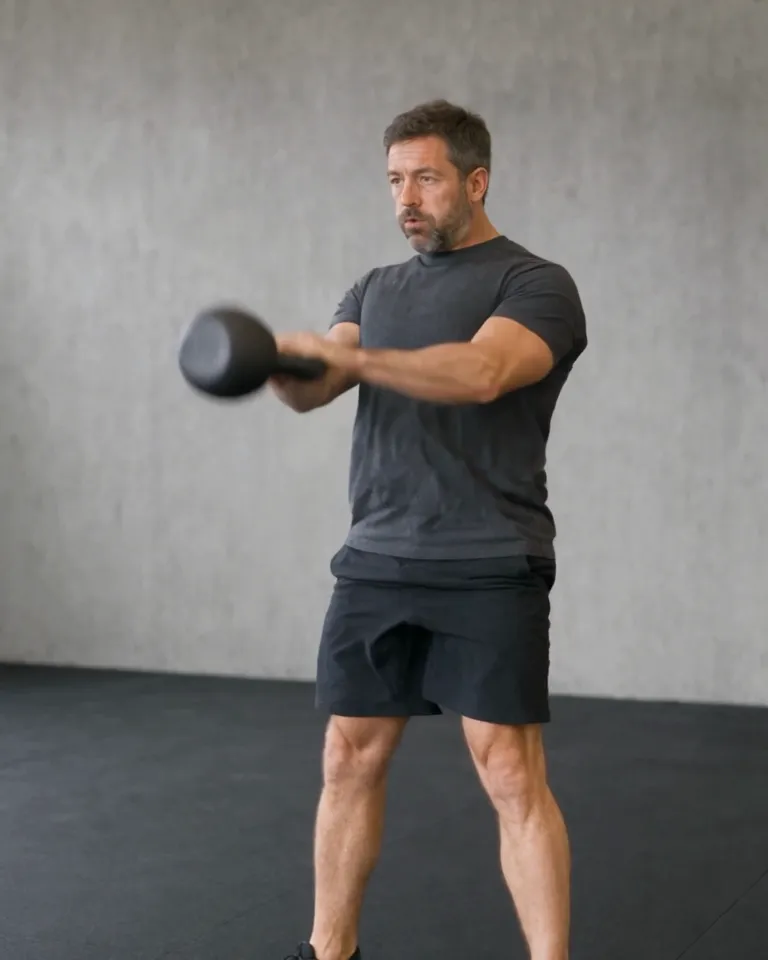 Kettlebell swing
 Farmer's carry
Build strength and grip
Two strength sessions a week do more for your gas tank than most people expect:
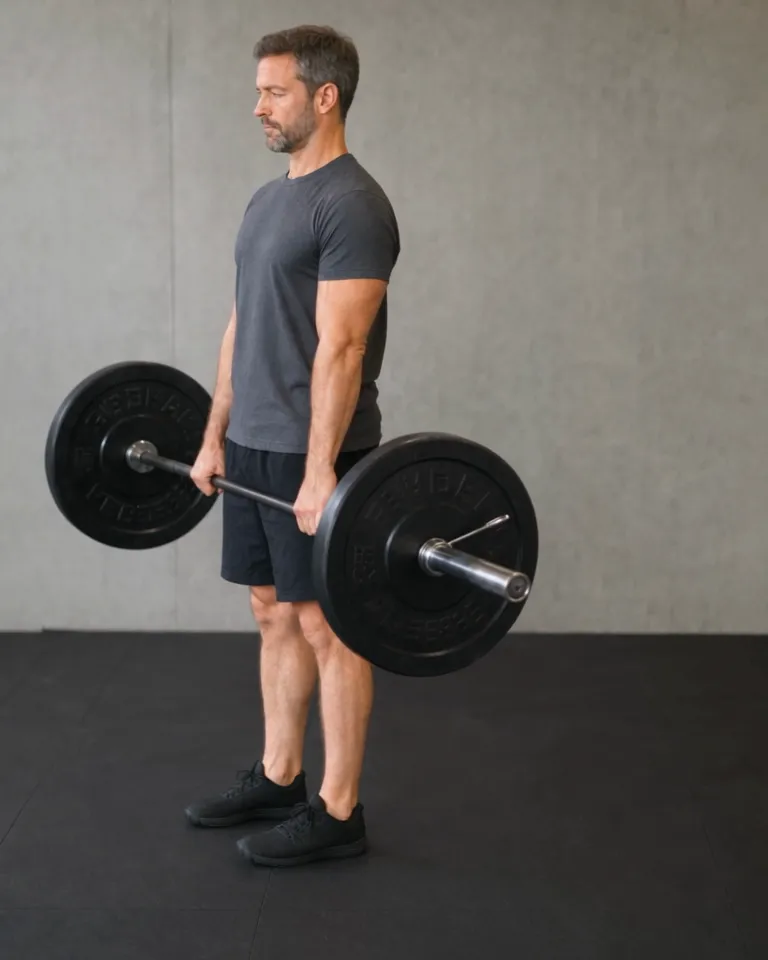
- Lower body and hips: squats, deadlift variations and split squats raise the ceiling on every bridge, shrimp and stand-up.
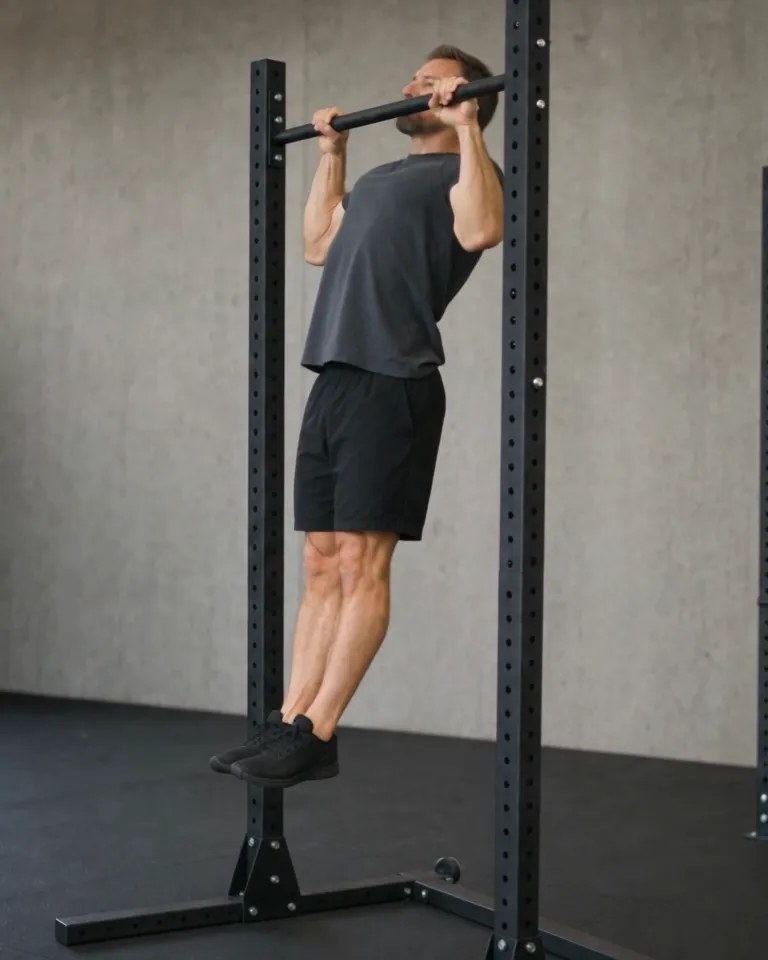
- Pulling: rows and pull-ups for the arms and back that hold every grip and frame.
- Grip: farmer's carries, dead hangs and towel or gi hangs for time. Two or three sets at the end of a session is plenty.
- Trunk: carries and anti-rotation work so you can stay tight without holding your breath.
Keep most sets short of failure so you arrive at class fresh enough to use what you've built. The free BJJ strength training program covers all of this in two sessions a week, and grip strength for BJJ goes deeper on forearms.
A simple weekly layout
For someone who rolls three times a week:
- Two strength sessions on non-sparring days, each finished with grip work
- One easy aerobic session of 30 minutes, on a rest day or after an easy class
- One optional interval session only in the build-up to a competition
The bottom line
Gassing out isn't a single problem, so more running isn't a single fix. Relax and breathe first, get stronger so each effort costs less, build an aerobic base with easy work, and use hard intervals sparingly. Your rounds will get longer without your training week getting heavier.
Common questions
Is BJJ good cardio?
Yes. Rolling works your aerobic and anaerobic systems hard, which is why it's such good conditioning. But because it's mostly hard intervals, many grapplers still benefit from one or two easy aerobic sessions a week to improve recovery between exchanges and rounds.
Does running help BJJ cardio?
Easy running can build your aerobic base, but a bike, rower or brisk incline walk does the same job with less impact on your joints. Keep it at a conversational pace; hard running intervals add stress on top of sparring.
Why do I gas out so fast in BJJ?
Usually a mix of holding unnecessary tension, holding your breath, grip fatigue, not enough strength (so every effort costs a big share of your max) and a weak aerobic base. Relaxing and breathing are the quickest fixes; strength and aerobic work take longer and last.
Is steady-state cardio or HIIT better for BJJ?
Both have a place, but most grapplers are short on easy steady-state work, because sparring already supplies plenty of hard intervals. Start with one or two easy 20 to 40 minute sessions a week, and add one interval session only if you roll less often or have a competition coming up.
General training information, not medical advice. If something hurts, or you have a condition that affects how you train, see a qualified professional before you change your training.
Your plan in 5 minutes
Take the quiz