Grip strength for BJJ: the exercises that carry over
Hangs, carries, gi pulls and wrist work: the grip exercises that build the kind of grip jiu-jitsu needs, and how often to train them without wrecking your forearms.
MatStrong · October 20, 2026 · 4 min read
The short version
- Grip in jiu-jitsu is mostly about lasting: holding a grip under load for a long time, and recovering between grips.
- Hangs, carries and gi or towel pulls carry over better than squeezing a spring gripper.
- Two or three short grip blocks a week, at the end of strength sessions, is plenty.
- Fingers, wrists and elbows take a beating in BJJ. Build up slowly and don't train grip to failure the day before class.
Ask anyone who trains in the gi what fades first, and the answer is usually their forearms. Grip strength in jiu-jitsu decides who controls the sleeve, who breaks the collar grip, and who's still holding on at the end of a round.
The good news: grip responds quickly to training, needs very little equipment, and recovers fast if you dose it sensibly.
What kind of grip does BJJ need?
There are a few different qualities hiding under "grip":
- Crushing: closing your hand hard, as in a tight collar or wrist grip
- Support: holding on to something heavy for a long time, like a sleeve while someone pulls away
- Pinch: fingers against thumb, as on lapels and pant legs
- Wrist strength: keeping your wrist strong while someone tries to bend it to break your grip
- Grip endurance: doing all of the above repeatedly through a round
In jiu-jitsu, support strength and endurance matter most. That's why hanging and carrying usually carry over better than a spring gripper.
The best grip exercises for BJJ
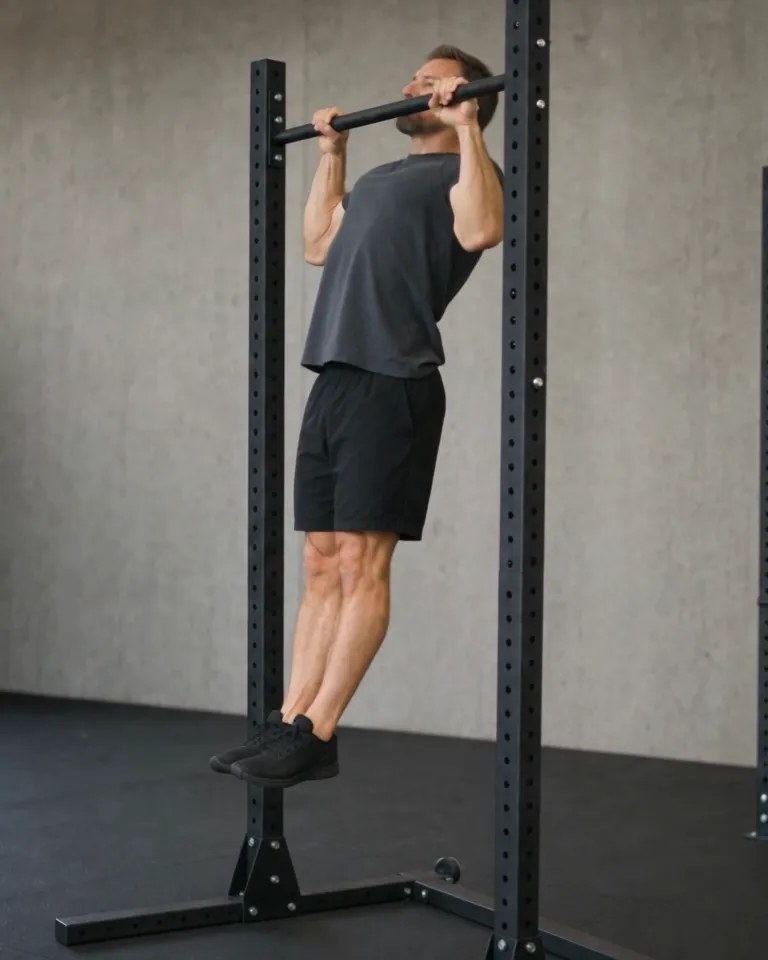
 Dead hang
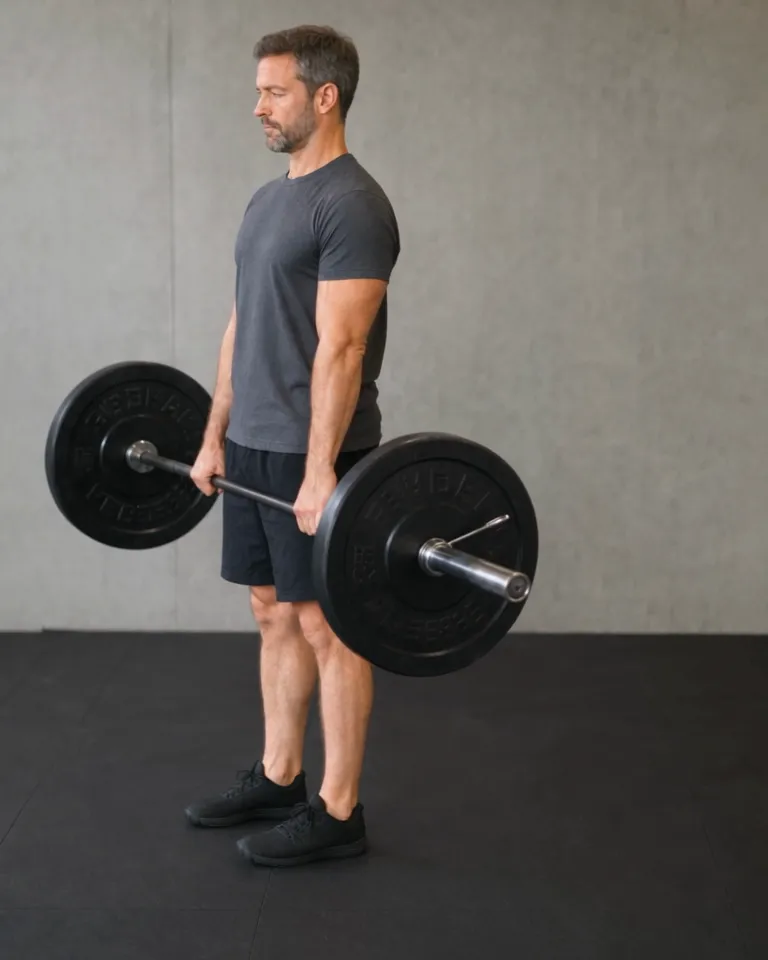
 Farmer's carry
 Suitcase carry
 Wrist curl
Dead hangs
Hang from a pull-up bar with straight arms and active shoulders. Build up to holding for 45–60 seconds. When that's easy, hang from one hand at a time with the other lightly assisting.
Gi or towel hangs and pull-ups
Drape a gi jacket or a towel over the bar and hang from it. It trains the exact grip you use on lapels and sleeves. When you can hang for 30 seconds, try rows or pull-ups holding the gi.
Farmer's carries
Pick up heavy dumbbells or kettlebells and walk 30–40 metres with tall posture. They build grip, upper back and trunk at the same time. Suitcase carries, one side at a time, add a trunk challenge too.
Plate pinches
Pinch two weight plates together, smooth sides out, and hold. Great for lapel and pant grips.
Wrist work
Wrist curls, reverse curls and slow wrist rotations with a light dumbbell or a sledgehammer held near the end. These build the wrist strength that stops grips getting stripped, and many people find they also make their wrists feel better.
Fat grips and thick bars
Wrapping a thick grip around a dumbbell or bar for rows and carries makes them much harder on your hands. Useful, but not essential.
A simple grip routine
Add one block to the end of two strength sessions a week. It takes about ten minutes.
| Block | Exercises | Sets |
|---|---|---|
| A | Gi or towel hang, then farmer's carry | 3 rounds |
| B | Dead hang, then plate pinch, then wrist curls | 3 rounds |
Rest a minute between rounds. Stop each hang or hold a few seconds before your grip actually gives out.
How often should you train grip for BJJ?
Two or three short blocks a week is plenty, because jiu-jitsu itself is a lot of grip work. More isn't better here: fingers, wrists and elbows take time to adapt, and sore forearms make for a frustrating class.
- Don't train grip to failure the day before a hard gi class.
- Build up gradually. Add a few seconds or a little weight each week.
- Stretch and move your fingers and wrists after hard grip sessions.
Do grip trainers help?
Spring grippers train crushing strength, which is useful but not the main quality jiu-jitsu needs. They're fine as an extra, but hangs, carries and gi pulls should come first.
The bottom line
Hang, carry and pull on a gi or towel, two or three times a week, a little at a time. Pair it with a sensible BJJ strength training program, and your grips will hold for longer, and your forearms will stop being the first thing to go.
Common questions
Does BJJ improve grip strength?
Yes, especially grip endurance, and especially in the gi. But dedicated grip work like hangs and carries builds it faster and more evenly, and makes your forearms last longer in a round.
How often should I train grip for BJJ?
Two or three short blocks a week, at the end of strength sessions. Jiu-jitsu is already a lot of grip work, so more isn't better. Avoid training grip to failure the day before a hard gi class.
Are grip trainers worth it for BJJ?
Spring grippers train crushing strength, which helps a little. Hangs, gi or towel pulls and loaded carries train the support strength and endurance jiu-jitsu needs most, so prioritise those.
General training information, not medical advice. If something hurts, or you have a condition that affects how you train, see a qualified professional before you change your training.
Your plan in 5 minutes
Take the quiz