
Does lifting weights help BJJ? What strength really does on the mats
Does strength matter in jiu-jitsu, does BJJ build muscle, and should grapplers train like bodybuilders? A straight answer to r/bjj's favourite argument.
MatStrong · October 20, 2026 · 4 min read
The short version
- Yes, lifting helps jiu-jitsu, as long as it supports your mat time instead of competing with it.
- Strength matters most when skill is close. It never replaces technique, but it makes good technique easier to use.
- BJJ builds conditioning and some strength-endurance. It doesn't build much maximal strength or muscle on its own.
- You don't need to train like a powerlifter or a bodybuilder. Two focused sessions a week is enough for most grapplers.
Every few weeks the same argument flares up on r/bjj. One side says technique beats strength and lifting is a waste of mat time. The other says every top competitor lifts, so you should too. Both have a point, and the answer for most people sits in the middle.
Does strength matter in BJJ?
Yes, but not in the way the argument usually goes.
Technique is the foundation. A skilled black belt will tap a strong white belt, and no amount of deadlifting changes that. But between two people with similar skill, the stronger one has a real advantage: their frames hold, their bridges move people, their grips last, and every exchange costs them a smaller share of their maximum.
Strength also changes how you train. A stronger grappler can play positions that a weaker one survives in, recovers faster from scrambles, and can keep posture under pressure instead of folding. That's not cheating technique. It's giving technique more to work with.
Does lifting weights help jiu-jitsu?
For most people, yes. Lifting does a few things rolling alone doesn't:
- Builds maximal strength. Rolling rarely pushes you to your strength limit. Lifting does, safely and measurably.
- Builds power. Jumps, throws and swings train you to produce force quickly, which shows up in shots, bridges and stand-ups.
- Balances your body. Jiu-jitsu loads some patterns over and over. Rows, presses, single-leg work and carries fill the gaps.
- Builds resilience. Stronger muscles and connective tissue tolerate the strange positions and loads that jiu-jitsu throws at them better.
The catch is the dose. Lifting that leaves you too sore or tired to train well on the mats is a net loss. The goal is enough strength work to get stronger, placed where it doesn't take away from your jiu-jitsu.
Does BJJ build muscle?
A little, especially if you're new to training. Jiu-jitsu builds grip, neck and trunk endurance, and a lot of conditioning. But it's not a reliable way to build muscle or maximal strength, because the loads vary, they're rarely near your limit, and you can't progress them in a planned way. If you want to get stronger or bigger, you need resistance training on top.
Is BJJ cardio or strength training?
It's mostly conditioning, with a big dose of strength-endurance. A hard round works your aerobic and anaerobic systems and asks your muscles to produce force repeatedly while tired. That's great fitness, but it isn't the same as getting stronger. Most grapplers benefit from a little dedicated strength work and, often, some easy aerobic work too. See how to not gas out in BJJ for the conditioning side.
Should grapplers train like bodybuilders?
Some elite competitors, Gordon Ryan the best-known example, have made bodybuilding-style training part of their preparation, and it's sparked plenty of debate. Bodybuilding builds muscle, and more muscle can help, especially for heavier divisions. But elite competitors also train jiu-jitsu full time and recover like it's their job.
For most people with a job, a family and three or four classes a week, a simpler approach gives more carryover per hour:
- A few heavy compound lifts for strength
- Jumps, throws or swings for power
- Single-leg and pulling work for the positions jiu-jitsu actually puts you in
- Grip, neck and trunk work for durability
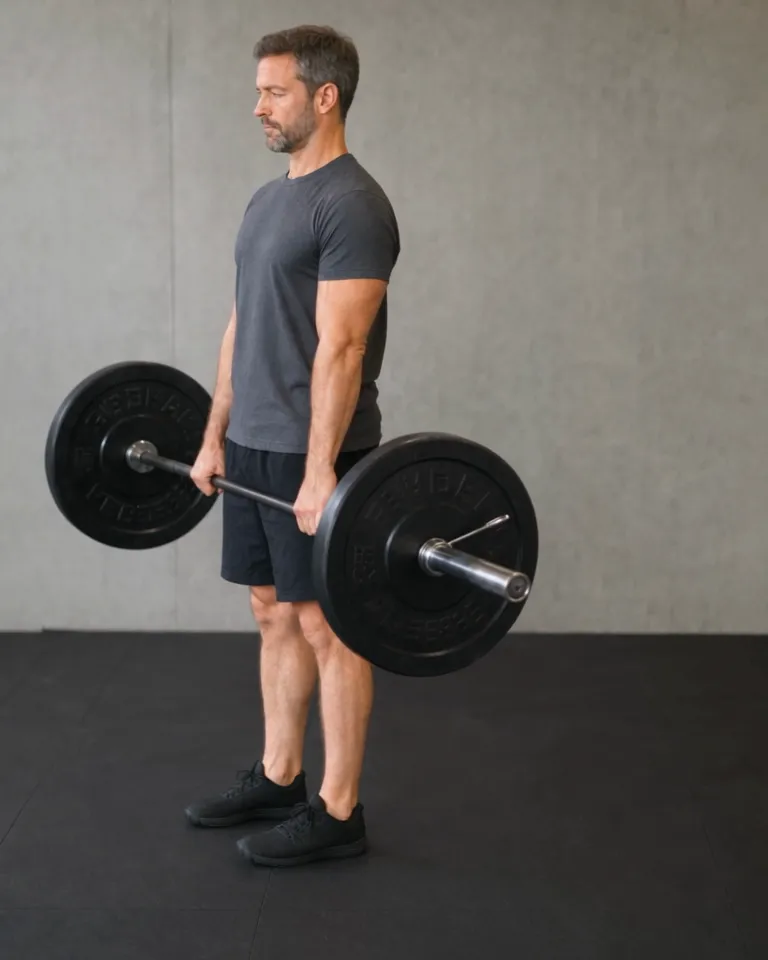 Deadlift
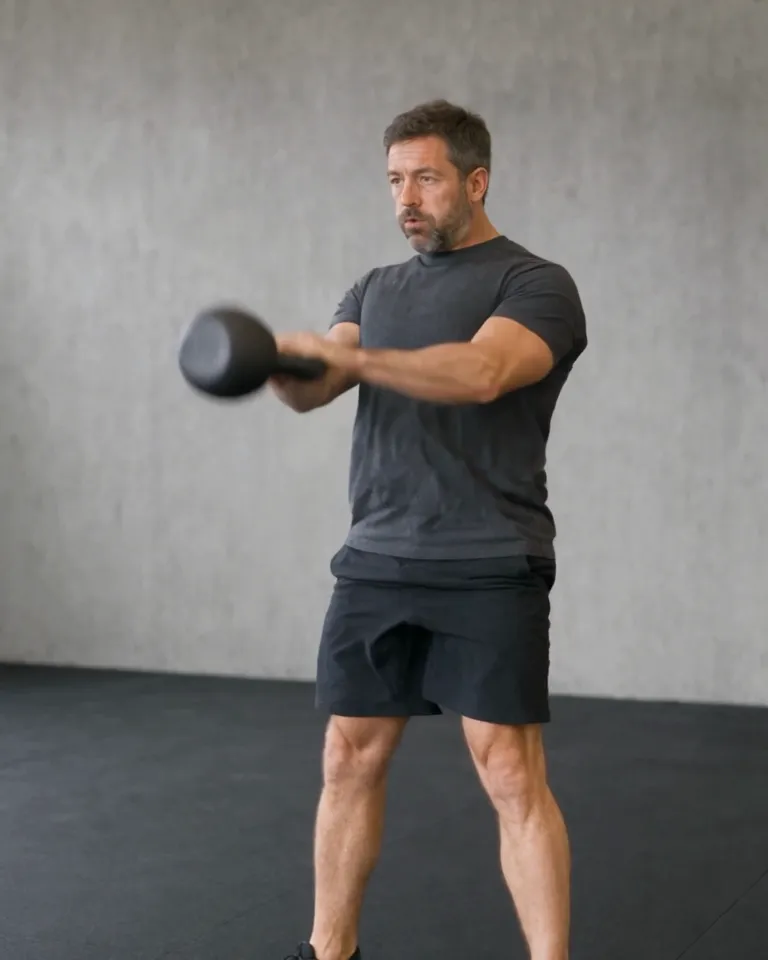 Kettlebell swing
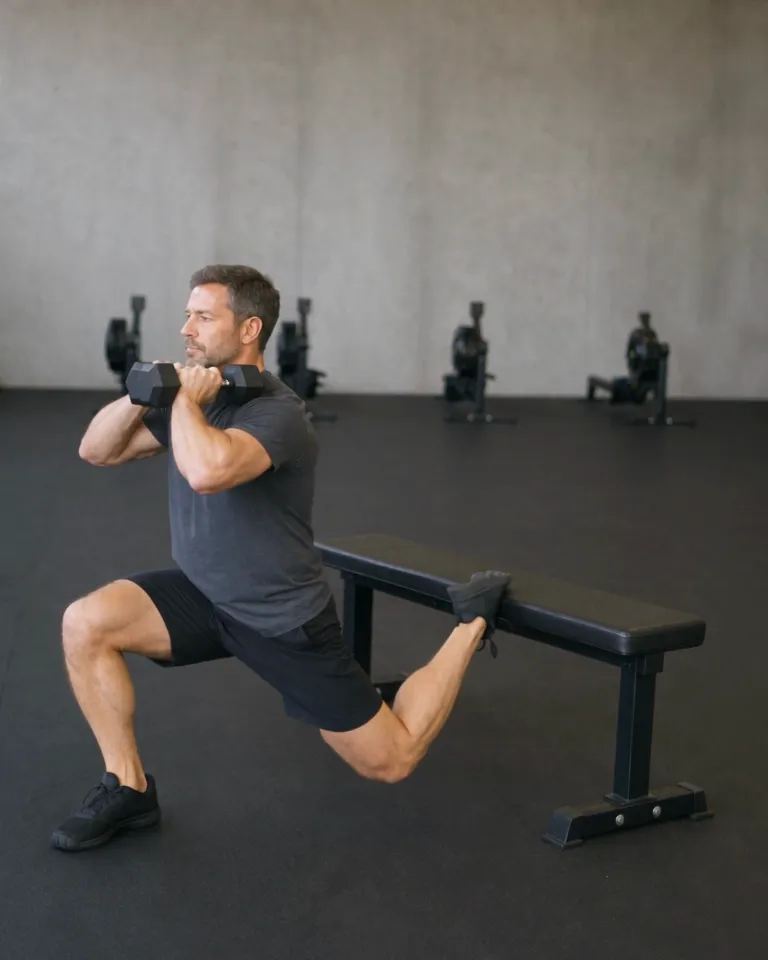 Rear-foot elevated split squat
 Farmer's carry
If you enjoy bodybuilding-style training, there's nothing wrong with including some. Just keep the total volume in check so it doesn't eat into your mat time.
How much lifting is enough?
Less than most people think:
- Two sessions a week for most people who roll three or more times
- 45 to 60 minutes each, or less on busy weeks
- Most sets stopped with two or three reps in reserve
For a ready-made starting point, see the free BJJ strength training program. For where to put the sessions, see BJJ and lifting: how to schedule strength training around jiu-jitsu.
The bottom line
Technique wins, but strength makes technique easier to use and training easier to recover from. Lift twice a week, focus on the qualities jiu-jitsu demands, and keep it from stealing energy from the mats. That's the version of lifting that actually helps your jiu-jitsu.
Common questions
Does strength matter in BJJ?
Yes. Technique comes first, but between two people with similar skill the stronger one has a real advantage: frames hold, bridges move people, grips last, and every exchange costs a smaller share of their maximum.
Does BJJ build muscle?
A little, especially for beginners, plus a lot of conditioning and grip, neck and trunk endurance. But the loads are rarely near your limit and can't be progressed in a planned way, so to get noticeably stronger or bigger you need resistance training as well.
Is BJJ cardio or strength training?
Mostly conditioning, with a big dose of strength-endurance. It's excellent fitness, but it isn't a substitute for getting stronger with dedicated strength work.
General training information, not medical advice. If something hurts, or you have a condition that affects how you train, see a qualified professional before you change your training.
Your plan in 5 minutes
Take the quiz