BJJ strength training at home: equipment and workouts
You don't need a full gym to get strong for jiu-jitsu. The equipment that gives you the most, in the order to buy it, plus home workouts with and without equipment.
MatStrong · October 20, 2026 · 4 min read
The short version
- A pair of adjustable dumbbells or a couple of kettlebells, a pull-up bar and a bench cover most of what a grappler needs.
- Buy in order of what you'll use every session, not what looks good in the garage.
- With lighter equipment, make exercises harder with single-leg work, slower lowering and more reps before you buy more weight.
- A home gym's biggest advantage is that you'll actually use it. Short, frequent sessions fit a jiu-jitsu week well.
Plenty of strong grapplers train at home. A home gym takes away the commute, the waiting for equipment and the excuse. When your training week already includes three or four trips to the academy, that matters.
You don't need a commercial gym's worth of kit. You need a few pieces that let you push, pull, squat, hinge, carry and jump, and enough load to keep making them harder.
What to buy, in order
1. Adjustable dumbbells or two kettlebells
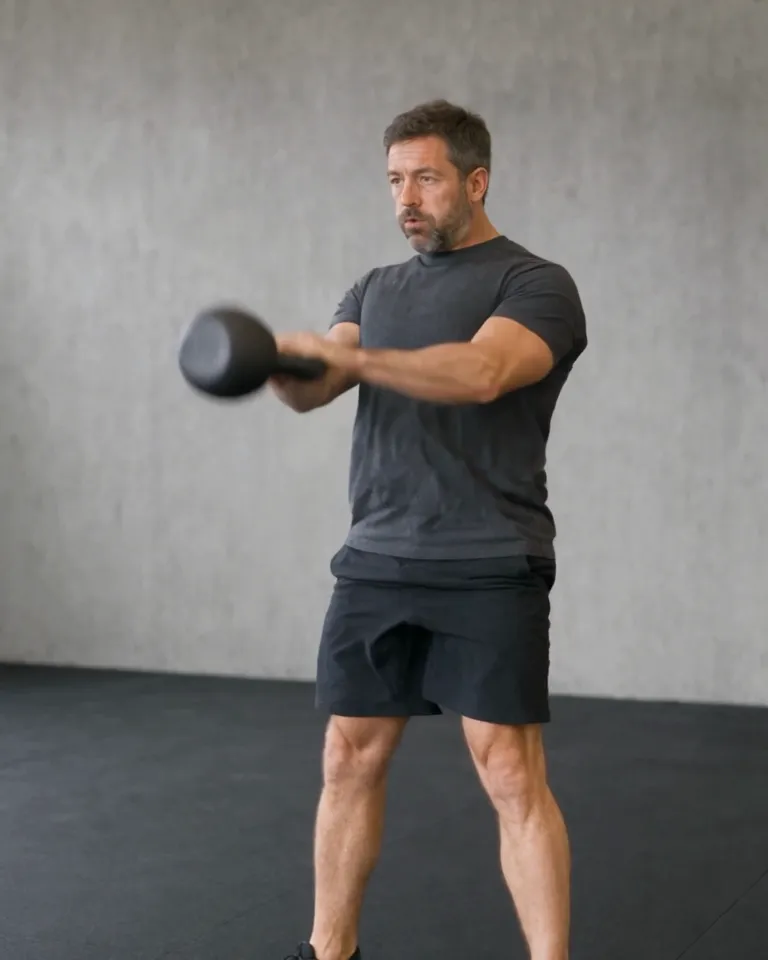
This is the foundation. With dumbbells or kettlebells you can squat, hinge, press, row, lunge and carry. Adjustable dumbbells cover the widest range in the smallest space. Kettlebells are tougher and great for swings and carries, but you'll want at least two weights.
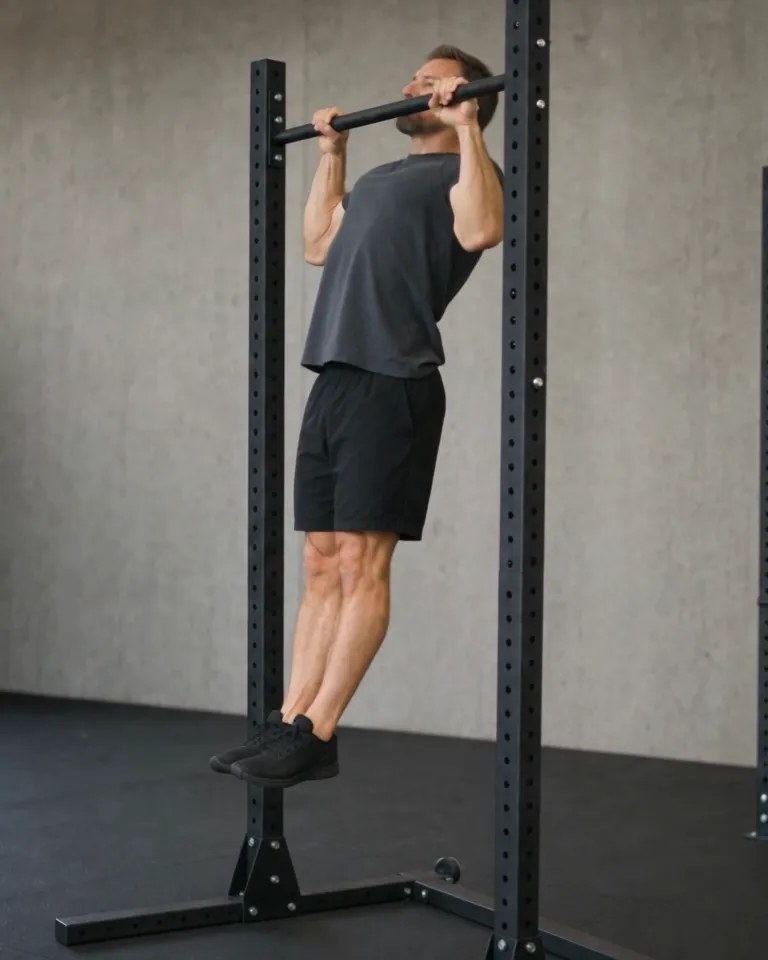
2. A pull-up bar
Pulling strength and grip are the backbone of jiu-jitsu, and a doorway or wall-mounted bar is one of the cheapest pieces you can buy. Hang a towel or an old gi over it and you have a grip trainer too.
3. A sturdy bench
It turns floor presses into proper presses, gives you step-ups and split squats, and supports rows. An adjustable bench is worth the extra if you have room.
4. Resistance bands
Light and cheap. Use them for warm-ups, face pulls, shoulder work, assisted pull-ups and adding resistance to push-ups.
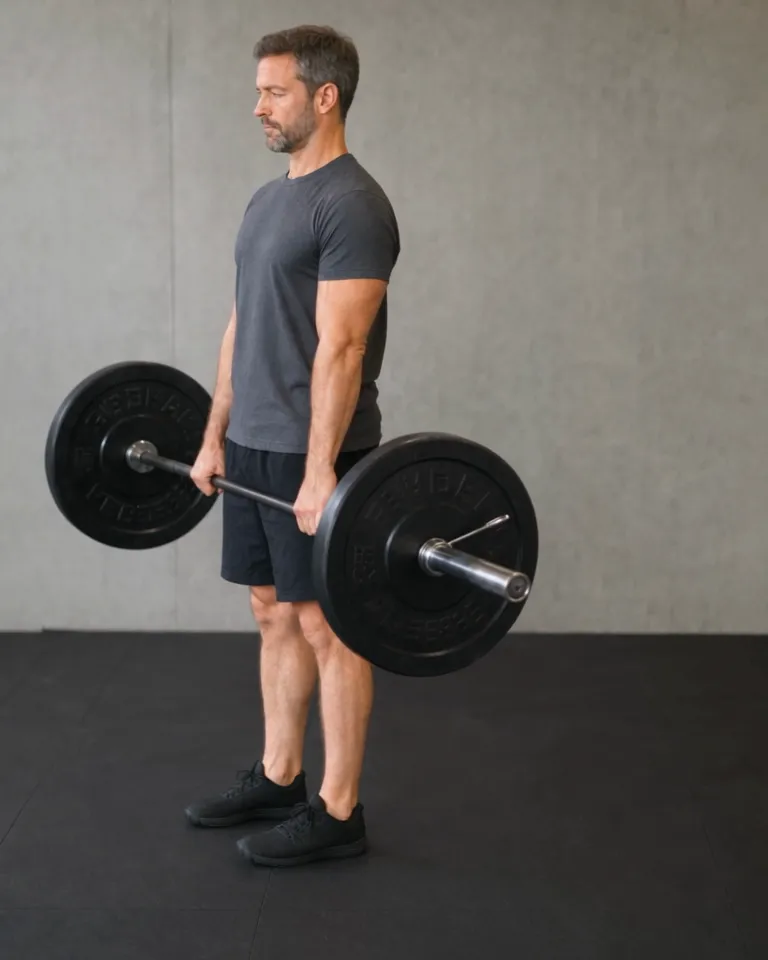
5. A barbell, rack and plates (if you have the space)
This is the biggest step up for raw strength, especially for squats and deadlifts. It's also the most expensive and the biggest commitment of floor space. Plenty of people never need it. A trap bar is a good middle ground if you want heavy deadlifts without a rack.
Nice extras
A medicine ball for throws, a plyo box, a sandbag for awkward carries and loaded get-ups, and a mat or flooring you don't mind dropping things on.
No equipment yet?
You can start today with bodyweight work while you save up:
- Legs: split squats, single-leg Romanian deadlifts, step-ups onto a sturdy chair, wall sits
- Push: push-ups, then feet-elevated push-ups
- Pull: inverted rows under a sturdy table, holding the edge
- Trunk: planks, side planks and dead bugs
- Power: broad jumps and squat jumps, low reps, full rest
You'll run out of load within a few weeks, which is when a pair of dumbbells or a kettlebell and a pull-up bar earn their place.
Making light weights hard
The limit of most home gyms is load. Before you buy heavier weights, use these to keep progressing:
- Go single-leg. A split squat or step-up with a pair of dumbbells is far harder than a two-legged squat with the same weight.
- Slow the lowering phase. Three to four seconds down makes a moderate weight feel heavy.
- Add pauses at the bottom of squats, presses and rows.
- Add reps, then sets. When you can do every set with three or more reps left, add a rep or a set next time.
- Shorten the rest for conditioning-style circuits on days when strength isn't the focus.
Two sample sessions with dumbbells and a pull-up bar
Do each about 45 minutes, on days you're not sparring hard. For a full 2-day or 3-day plan with a four-week progression, see the free BJJ strength training program.
All doable at home
 Goblet squat
 Single-arm dumbbell row
 Step-up
 Pull-up
Session A
| Exercise | Sets × reps |
|---|---|
| Dumbbell jump squats or broad jumps | 3 × 5 |
| Goblet squat, slow lowering | 4 × 6–8 |
| Single-arm dumbbell row | 3 × 8–10 each side |
| Rear-foot elevated split squat | 3 × 8 each leg |
| Farmer's carry | 3 × 30–40 m |
Session B
| Exercise | Sets × reps |
|---|---|
| Kettlebell or dumbbell swings | 4 × 10 |
| Single-leg Romanian deadlift | 3 × 8 each leg |
| Pull-ups or band-assisted pull-ups | 4 × as many good reps as you can, minus one |
| Dumbbell bench or floor press | 3 × 8–10 |
| Towel or gi hang | 3 × as long as you can hold |
Fitting it into your week
The best thing about a home gym is how easy it is to train for 30 minutes on a day you'd never drive to a gym. A few guidelines:
- Two sessions a week works for most people who roll three or more times.
- Keep sessions short on busy days. Do the first two exercises and one carry. That still counts.
- Keep the hard leg work away from your hardest sparring night.
The bottom line
Start with dumbbells or kettlebells and a pull-up bar, add a bench, and only buy a barbell setup if you have the space and want heavier lower-body work. Make light weights harder with single-leg work and slower reps, keep sessions short and frequent, and a home gym will take you a long way on the mats.
Common questions
Can you do BJJ strength training at home without equipment?
You can start with bodyweight work: split squats, single-leg deadlifts, push-ups, inverted rows under a sturdy table, and planks. You'll run out of load quickly, though, so a pair of dumbbells or a kettlebell and a pull-up bar are the first things worth buying.
What equipment do I need for BJJ strength training at home?
Adjustable dumbbells or two kettlebells, a pull-up bar and a sturdy bench cover most of what a grappler needs. Bands are a cheap extra. A barbell and rack are the biggest step up, but only if you have the space.
Are kettlebells good for BJJ?
Yes. Swings, goblet squats, deadlifts, carries and presses cover power, strength and grip with very little space. Most people need at least two weights to keep progressing.
General training information, not medical advice. If something hurts, or you have a condition that affects how you train, see a qualified professional before you change your training.
Your plan in 5 minutes
Take the quiz